







Lanzarote is the Canary Island for travellers who want more than a beach break. Black volcanic trails meet turquoise coves, César Manrique’s visionary architecture blends into the landscape, and vineyards grow in ash-covered hollows. Whether you are planning a winter-sun escape, an active holiday or a slower adults-only break, this guide covers the best things to do in Lanzarote and how to make the most of your time on the island.
The best places to visit in Lanzarote
Lanzarote’s appeal lies in the way its dramatic natural setting, local food and art fit together. Start with these essential sights, then leave room to explore at your own pace.
Timanfaya National Park: Lanzarote’s volcanic heart
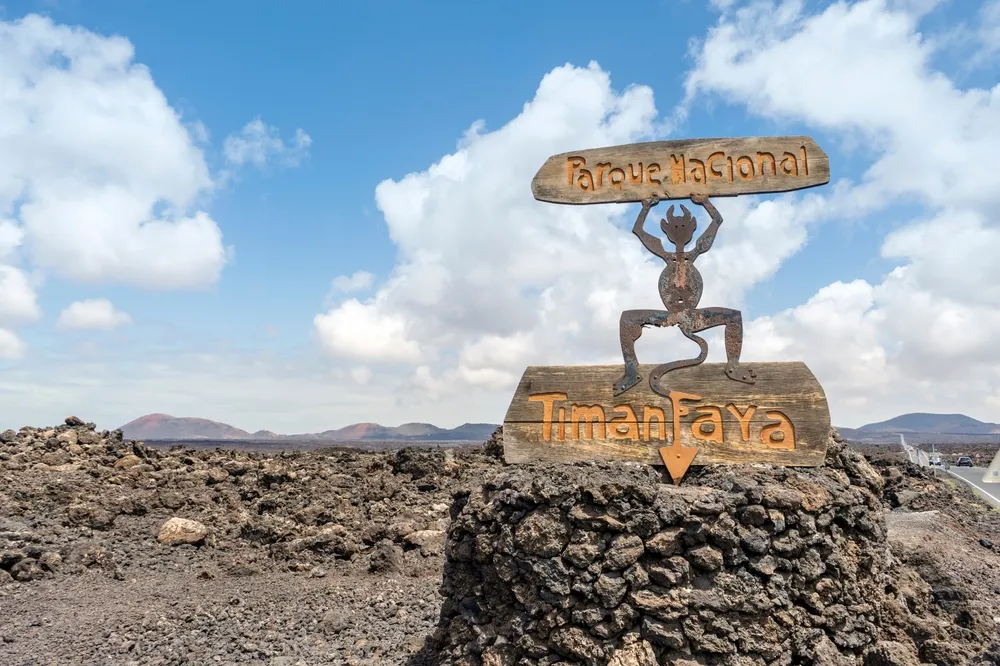
A visit to Timanfaya National Park is one of the most memorable things to do in Lanzarote. The landscape was shaped by eruptions between 1730 and 1736, leaving a striking expanse of craters, lava fields and mineral-rich shades of red, ochre and black.
At Islote de Hilario, staff demonstrations reveal the geothermal heat that still lies beneath the surface. The official coach route through the Fire Mountains gives you a close view of the protected volcanic landscape without disturbing it.
Good to know: Timanfaya is one of Lanzarote’s most popular attractions. Check the official visitor information and ticket availability before travelling, and stay on marked routes at all times.
For a memorable meal, Restaurante El Diablo uses geothermal heat from a volcanic vent for its grill. Alternatively, the village of Yaiza is a good stop for traditional Canarian cooking in a quieter setting.
César Manrique’s Lanzarote: art shaped by nature
No Lanzarote itinerary is complete without discovering César Manrique’s work. The artist and architect helped shape the island’s identity by creating places where architecture enhances, rather than overwhelms, the volcanic setting.
Jameos del Agua and Cueva de los Verdes
Both attractions sit within the volcanic tunnel created by the Corona volcano. At Cueva de los Verdes, a guided visit takes you through a remarkable lava tube with an unexpected visual surprise near the end. At Jameos del Agua, volcanic rock, tropical planting and Manrique’s design create one of the island’s most distinctive spaces. Look out for the tiny blind albino crabs that live in the natural lagoon.
Mirador del Río
Set high on the Famara cliffs, this Manrique-designed viewpoint looks across the Chinijo Archipelago towards La Graciosa. It is a particularly rewarding stop on a day exploring northern Lanzarote.
Local food in the north
For an authentic meal, look for a teleclub — a community-run local restaurant — in villages such as Máguez or Yé. They are a good place to try goat’s cheese, ropa vieja (a hearty meat or chickpea stew) and other Canarian specialities.
Lanzarote’s beaches, surf and outdoor experiences
Papagayo Beach and the south coast
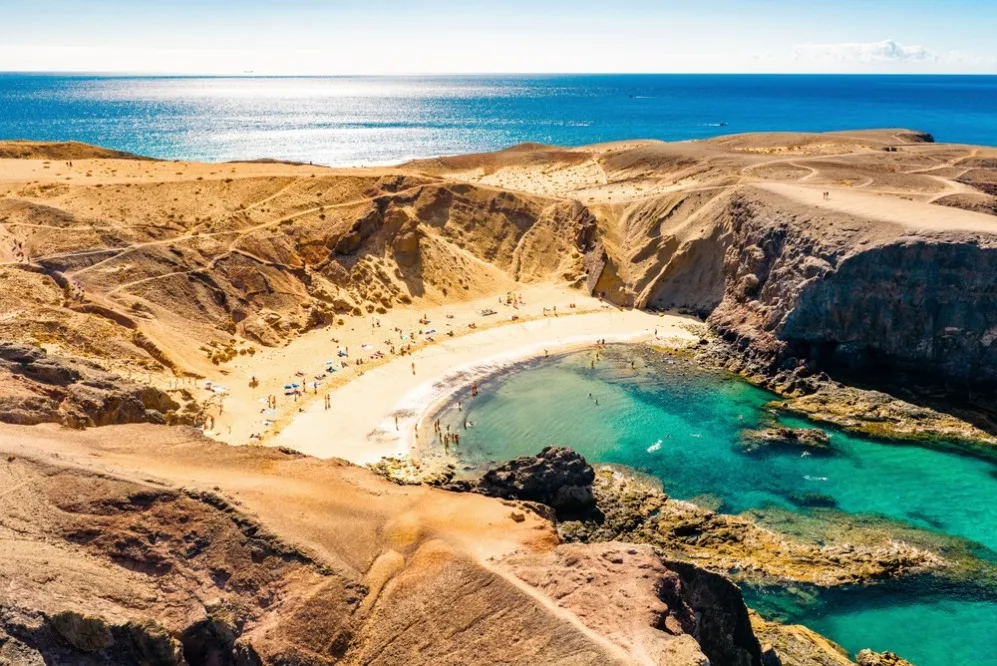
The beaches of Papagayo, within the Los Ajaches Natural Monument, are among the best beaches in Lanzarote. Their clear water, golden sand and sheltered bays make this a lovely spot for swimming and snorkelling on calmer days.
Bring water, sun protection and suitable footwear for the paths between coves. Parking is available in the area, but access to the individual beaches is on foot. Conditions can change with the wind and sea, so always follow local advice before swimming.
For a relaxed lunch, try local fish, papas arrugadas (salt-boiled Canarian potatoes) and mojo sauce in Playa Blanca or at a beachside restaurant nearby.
La Geria: Lanzarote’s volcanic wine country
La Geria is one of Lanzarote’s most unusual landscapes. Vines are planted in deep hollows in the volcanic ash, with semi-circular stone walls shielding them from the trade winds. The result is a wine region that is as photogenic as it is distinctive.
Book a tasting at a local winery and try Malvasía Volcánica, the island’s signature white wine. Bodega El Grifo and Bodega Rubicón are popular choices; check opening times and booking requirements before visiting.
Famara: surf, sand and spectacular cliffs
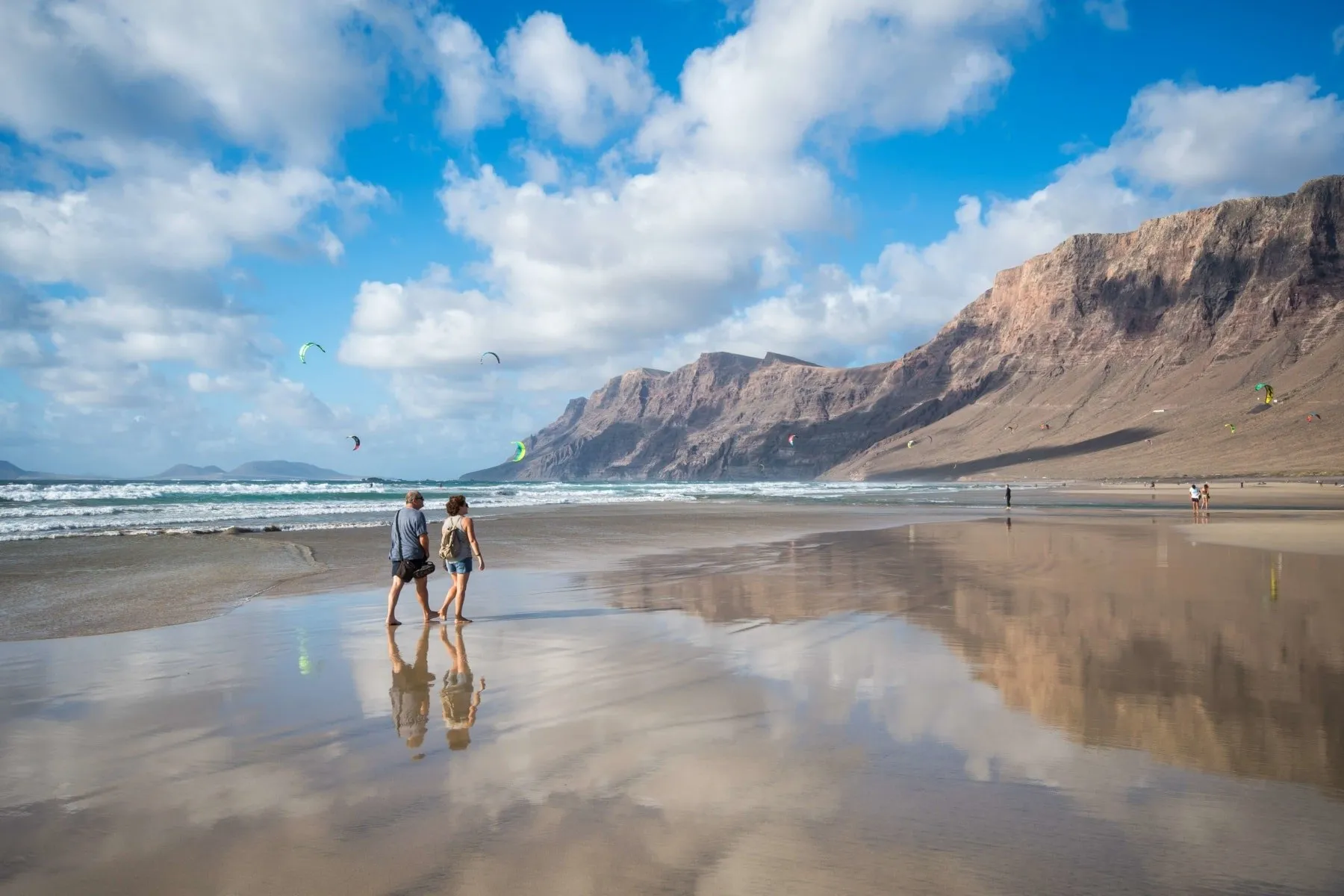
On Lanzarote’s north-west coast, Famara Beach stretches beneath dramatic cliffs. It is a favourite for surfing, kitesurfing and windsurfing, although the Atlantic conditions mean it is not always suitable for swimming.
Caleta de Famara has a laid-back, surf-town feel and sandy lanes. Stop for fresh fish, grilled lapas (limpets) with green mojo, or a seafood rice dish after a walk along the coast.
Where to go in Lanzarote: a quick area guide
Practical tips for your Lanzarote holiday
Getting to and around Lanzarote
Lanzarote Airport (ACE), also known as César Manrique-Lanzarote Airport, is close to Arrecife and has regular connections from the UK. The island is compact enough to explore over a week, but a hire car gives you the greatest flexibility for viewpoints, wineries and natural attractions.
Local buses — known as guaguas — connect the main towns and resorts, but can be less convenient for rural sights. Roads are generally straightforward, and driving from north to south takes around an hour to an hour and a quarter, depending on your route and traffic.
As a guide, allow approximately:
- 30 minutes from Arrecife to Timanfaya
- 1 hour 10 minutes from Playa Blanca to Órzola
- 25 minutes from Costa Teguise to La Geria
Where to stay in Lanzarote
Choose your base according to the type of holiday you want. Playa Blanca works well for Papagayo and the south; Puerto del Carmen is convenient for beach life and restaurants; and Costa Teguise offers a central east-coast base for exploring the island.
For an adults-only stay in Costa Teguise, HD Sensarena combines wellbeing, gastronomy and a setting inspired by Lanzarote’s volcanic character. It is a comfortable base for day trips across the island, including Timanfaya, La Geria and the northern attractions.
What to pack for Lanzarote
Lanzarote is known for year-round sunshine, but the trade winds can make beaches and evenings feel cooler than expected. Pack high-factor sun cream, a reusable water bottle, comfortable walking shoes, a light layer for the evening and a windproof jacket if you plan to visit Famara or go hiking.
Enjoy Lanzarote responsibly
Lanzarote has been a UNESCO Biosphere Reserve since 1993, and its volcanic environment is fragile. Small choices help protect it.
Do not remove volcanic stones or ash; collecting natural material damages the landscape and may be prohibited.
Stay on signposted paths, especially in volcanic and protected areas.
Support local businesses by choosing island-produced wine, cheese and independent restaurants.
Avoid single-use plastic and take all rubbish away from beaches and trails.
