







With its dormant volcanoes, crystal-clear turquoise waters and striking dune landscape, Corralejo has become one of the most popular destinations in northern Fuerteventura.
Planning your itinerary can feel overwhelming given the sheer range of things on offer, from water sports and boat trips to local food tours and scenic excursions.
This guide highlights the best things to do in Corralejo, helping you make the most of your stay with a good balance of relaxation, adventure and authentic Canarian flavours—while steering clear of the usual tourist traps.
Corralejo’s Must-See Beaches and the Natural Dunes Park
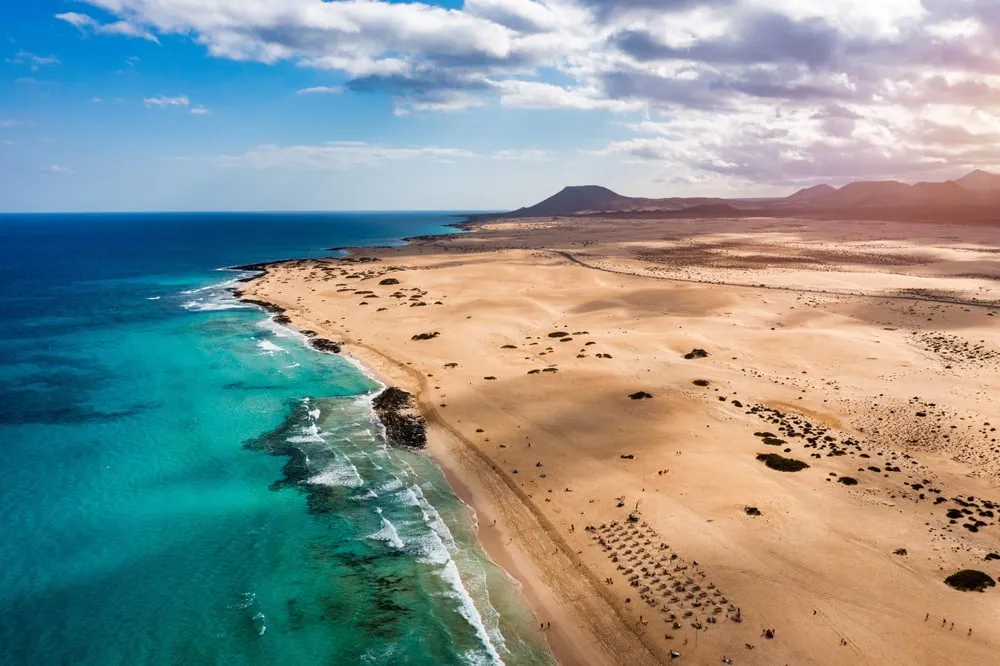
The coastline around Corralejo is unlike anywhere else in the Canary Islands. Atlantic winds, volcanic rock and fossilised sand combine to create one of the island’s most striking landscapes.
The Grandes Playas: White Sand and Turquoise Waters
Known collectively as the Grandes Playas, this stretch of coastline extends for more than eight kilometres, combining long sandy beaches with sheltered coves. The shallow, crystal-clear water makes it ideal for swimming, while the steady breeze draws windsurfers and kitesurfers year-round.
Playa del Pozo: In the northern section, this beach is known for its peaceful atmosphere. Windbreaks built from volcanic rock create sheltered spots where visitors can relax even on breezy days.
- Los Veritos and Playa Vieja: Closer to the town centre, these beaches suit families well thanks to their calm waters, easy access and nearby cafés, restaurants and services.
Corralejo Natural Park: How to Explore the Dunes
Covering more than 2,600 hectares, Corralejo Natural Park is home to the largest system of active sand dunes in the Canary Islands. Contrary to popular belief, the sand didn’t come from the Sahara. It formed over thousands of years through the gradual erosion of shells and marine organisms.
The best way to explore the park responsibly is to follow the FV-1 coastal road and park only in the designated areas. Walking across the dunes at sunset offers striking views, with golden sand stretching towards the silhouette of nearby Lobos Island.
Protecting the dunes: This is a fragile ecosystem. Stay on marked paths, don’t leave litter, and never alter the natural landscape.
Popcorn Beach (Playa de las Cotufas)
Along the coastline between Corralejo and Majanicho, Playa del Hierro has become internationally known as Popcorn Beach. Its shore isn’t covered with ordinary sand but with tiny white rhodoliths—calcified algae that take centuries to form and look like pieces of popcorn.
It’s tempting to collect them as souvenirs, but removing rhodoliths is strictly prohibited: doing so damages the coastal ecosystem and threatens local biodiversity.
Exploring Corralejo Town: Local Charm, Shopping and Seaside Atmosphere
Beyond its beaches, Corralejo has kept much of its fishing-village character while growing into a lively destination with restaurants, boutiques and cultural attractions.
Strolling Through the Old Town and Muelle Chico
The historic centre is built around Plaza Félix Estévez and its surrounding pedestrian streets. Walking through the area reveals whitewashed houses, independent art galleries and an unhurried pace of life that reflects Corralejo’s maritime heritage.
Nearby, Muelle Chico—the old harbour—is one of the town’s most atmospheric spots. Traditional wooden fishing boats, sea views and the scent of the Atlantic make it a good place for an evening stroll.
Local Markets and Shopping Along Avenida Nuestra Señora del Carmen
Corralejo’s main shopping street is Avenida Nuestra Señora del Carmen, where international brands sit alongside surf shops and independent boutiques selling local crafts, aloe vera cosmetics and Canarian delicacies.
For handmade products, visit the weekly market at El Campanario Shopping Centre, where local artisans sell jewellery, leather goods and regional produce directly to visitors.
Where to Watch the Sunset
As the day winds down, Corralejo’s waterfront comes alive. Having a drink while the sun sets over the channel separating Fuerteventura from Lobos Island is one of the town’s most memorable experiences.
- Seafront promenade: Relax on terraces with live music just steps from the beach.
- Puerto Viejo: A handful of cosy bars, perfect for a glass of wine or a cocktail before dinner in a more intimate setting.
Local Cuisine in Corralejo: Fresh Produce and Traditional Flavours
Majorero cuisine is simple, seasonal and closely tied to the island’s fishing and farming traditions. Fresh ingredients take centre stage, giving the dishes real depth of flavour.
Traditional Dishes You Should Try
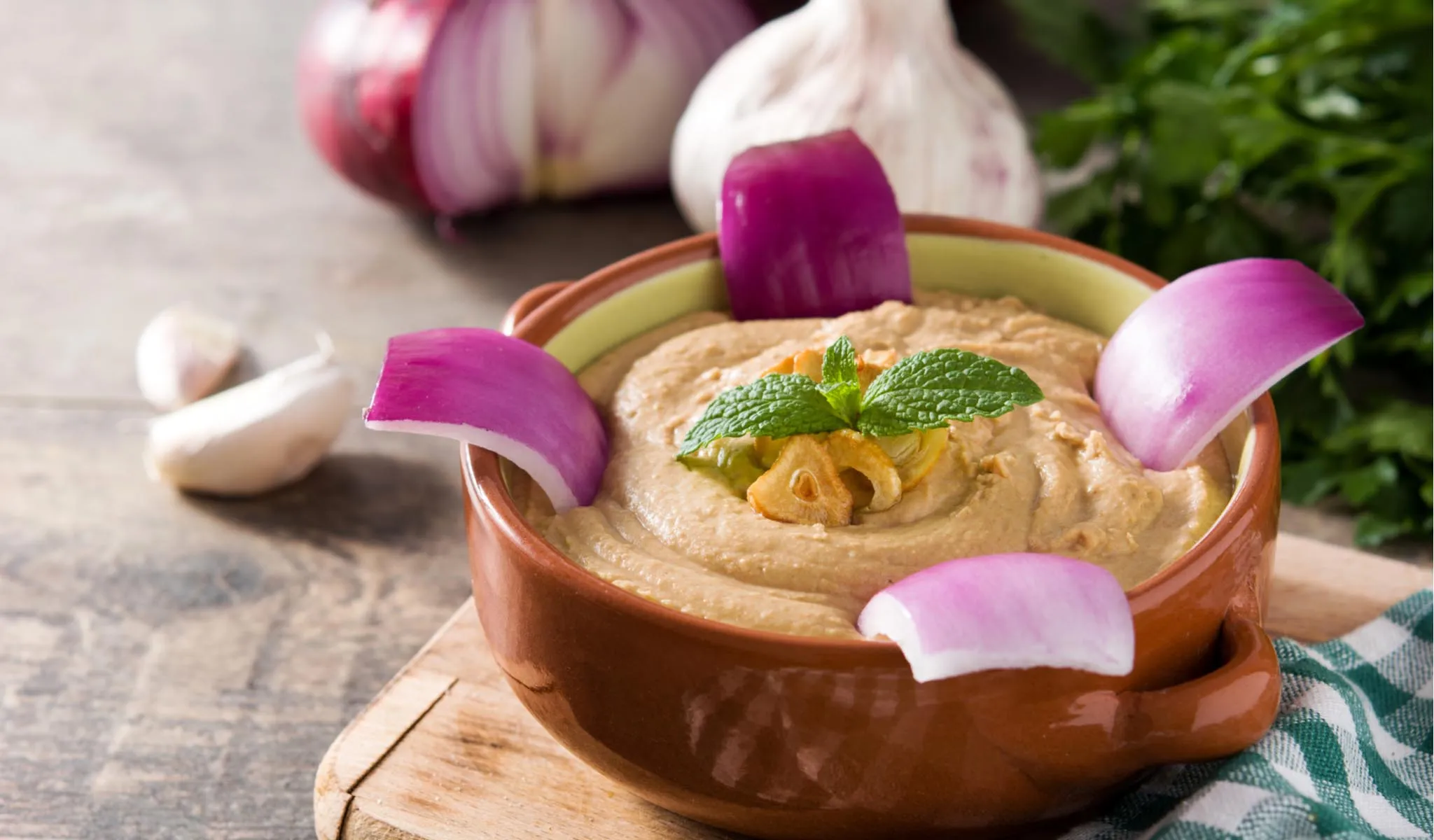
A visit to northern Fuerteventura wouldn’t be complete without trying some of its best-known specialities:
- Fresh local fish: Species such as vieja, grouper, sama and wreckfish, often grilled or gently boiled.
- Papas arrugadas with mojo: Salt-crusted Canarian potatoes served with spicy red mojo or fresh green coriander mojo.
- Majorero cheese: A Protected Designation of Origin cheese made from Majorera goat’s milk. Enjoy it fresh, semi-cured, matured, coated in paprika or grilled with a drizzle of palm syrup.
- Gofio: Toasted cereal flour that has been part of the Canarian diet for centuries, served with broths, cheese or nuts.
Where to Eat in Corralejo: The Fishermen’s Association and Traditional Local Restaurants
For the most authentic dining experience, it’s worth seeking out restaurants that are popular with locals and known for serving exceptionally fresh produce.
- Corralejo Fishermen’s Association: Next to the harbour, this is one of the best places to enjoy freshly caught fish landed by local boats at fair prices.
- Traditional taverns in the Old Town: Family-run restaurants tucked away in quiet side streets, serving dishes such as Galician-style or grilled octopus, limpets with green mojo sauce and slow-cooked goat meat.
- Contemporary Canarian restaurants: Modern eateries that reinterpret traditional island recipes using locally sourced ingredients and creative cooking techniques.
The Best Day Trips from Corralejo
Thanks to its location at the northern tip of Fuerteventura, Corralejo makes an excellent base for exploring some of the island’s most striking natural attractions.
Lobos Island: How to Visit, Permits and What to See
Just two kilometres off the coast lies Lobos Island Natural Park, a protected nature reserve named after the monk seals (“lobos marinos”) that once inhabited its shores.
Before visiting, keep these points in mind:
- Visitor permit: Access is limited to protect the island’s fragile ecosystem, so you’ll need to apply for a free permit through the Fuerteventura Island Council’s online platform a few days before your visit.
- What to see: The picturesque natural harbour, crystal-clear swimming coves, La Caldera volcano—the island’s highest point at 127 metres—and the historic Martiño Lighthouse at the northern tip of the island.
A Trip to El Cotillo
Just a 20-minute drive west of Corralejo, El Cotillo has a completely different feel. This peaceful fishing village is known for its dramatic coastline.
To the north are the El Cotillo Lagoons, a series of crystal-clear natural pools sheltered by volcanic reefs. To the south lies Playa del Castillo, one of Fuerteventura’s favourite beaches among experienced surfers looking for powerful Atlantic waves.
Outdoor Adventures: Surfing, Windsurfing, Kitesurfing and Buggy Tours
For outdoor enthusiasts, Corralejo is one of the island’s top adventure destinations.
Surfing and wind sports: Numerous local schools offer lessons for every level, from complete beginners on sandy beaches to advanced surfers tackling reef breaks.
Buggy and quad tours: Guided off-road excursions take visitors across volcanic landscapes and lava fields, offering a completely different perspective of Fuerteventura’s rugged interior.
Practical Tips for Planning Your Stay in Corralejo
A little planning will help you make the most of your time in northern Fuerteventura.
How Many Days Should You Spend in Corralejo?
To properly explore the dunes, spend a day on Lobos Island and visit El Cotillo, it’s worth staying at least three to four days.
If you’d also like to try water sports or see more of Fuerteventura, a week-long stay is a good option.
Getting Around: Car Hire, Public Transport or Bicycle?
- Car hire: The best option if you want complete freedom to explore hidden beaches and natural landscapes at your own pace.
- Public buses: Fuerteventura’s bus network connects Corralejo with the rest of the island. Line 6 links the town with Puerto del Rosario, while Line 8 runs between Corralejo and El Cotillo.
- Bicycle: A dedicated cycle path connects the town centre with the beginning of the Grandes Playas, making cycling an easy and environmentally friendly way to get around.
Where to Stay in Northern Fuerteventura
Choosing the right base can make all the difference during your holiday. Staying in northern Fuerteventura gives you easy access to Corralejo’s restaurants, shops and beaches, while placing the island’s most spectacular natural attractions within easy reach.
To make the most of your time on the island, pick accommodation that’s well located in the north and designed with both comfort and sustainability in mind. Resorts that blend naturally into their surroundings, feature landscaped gardens and offer a peaceful atmosphere—such as HD Hotels’ properties in the area—are a good place to unwind after a day of exploring, combining attentive service with everything you need for a relaxing stay.
Corralejo is far more than a beach destination. Here, volcanic landscapes, Atlantic breezes and genuine Canarian hospitality come together for an unforgettable island experience. Plan your itinerary by area, respect the protected natural environment and prepare to discover one of the Canary Islands’ most captivating destinations.
