







The Canary Islands, a stunning Spanish archipelago off the northwest coast of Africa, are known for their year-round warm weather, breathtaking landscapes, and diverse activities. Whether you’re drawn to the golden beaches of Gran Canaria, the volcanic wonders of Lanzarote, or the lush greenery of La Palma, these islands offer something for every traveller.
Choosing the best time to visit depends on your preferences for weather, activities, and crowd levels. From sun-soaked summer holidays to serene winter escapes, the Canary Islands provide a perfect destination no matter the season. In this article, we’ll guide you through the best times to visit based on climate, events, and experiences to help you plan your ideal getaway.
Weather in the Canary Islands
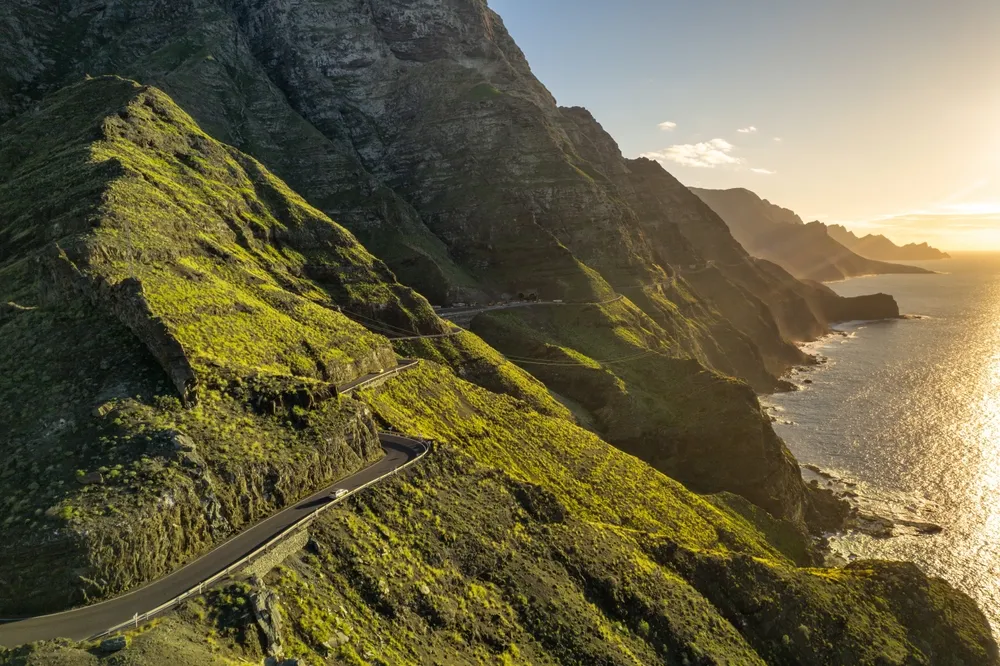
The Canary Islands enjoy a pleasant subtropical climate characterized by mild winters and extended summers, which often last well into October. Temperatures remain steady throughout the year, ranging from 18 to 24°C, without significant fluctuations. During the summer, visitors can look forward to over ten hours of sunshine daily.
La Palma and La Gomera, however, experience a subtropical humid climate, making them wetter compared to the other islands. Despite occasional winter rain showers, the sea remains warm enough for swimming all year round, offering a consistent beach experience regardless of the season.
When is the best time to visit the Canary Islands?
There are two periods during the year that stand out as the best times to visit the Canary Islands: March to May and September to November. These months offer ideal conditions for exploring the islands, with fewer crowds, pleasant weather, and more affordable travel options compared to the peak summer season. Whether you’re a beach lover, an adventurer, or a culture enthusiast, these times of the year provide a unique way to experience the archipelago.
From March to May: springtime bliss
From March to May, the Canary Islands come alive with vibrant colors and pleasant weather, making it an exceptional time for nature enthusiasts and outdoor explorers. During these months, temperatures remain mild, averaging between 18 and 22°C, providing the perfect climate for hiking through volcanic landscapes, exploring lush forests, and visiting iconic natural attractions such as Teide National Park in Tenerife or the Timanfaya National Park in Lanzarote.
Spring is also when the islands’ flora is at its most stunning. Wildflowers blanket the landscapes, and the terraced fields of La Gomera and La Palma are lush and green, creating breathtaking scenery for photographers and nature lovers alike. Additionally, this period is ideal for whale and dolphin watching, as these species are often more active in the surrounding waters.
Since this is a shoulder season, you’ll also enjoy quieter beaches and attractions, allowing for a more relaxed and intimate experience. Accommodation and flights are typically more affordable than in the summer months, making it a great choice for budget-conscious travelers.
From September to November: autumn serenity
The period from September to November offers another fantastic window to visit the Canary Islands. As summer fades, the intense heat subsides, leaving behind comfortably warm temperatures that hover between 20 and 24°C. This makes it perfect for lounging on the islands’ golden beaches, swimming in the still-warm waters, or trying your hand at activities like paddleboarding, snorkeling, and scuba diving.
Autumn also brings with it a tranquil atmosphere, as the majority of summer tourists have returned home. This is the ideal time for those seeking a more peaceful escape, with uncrowded beaches, quieter hiking trails, and more availability at top-rated hotels and resorts. Additionally, the islands host various cultural and gastronomic events during this period, such as Tenerife’s Wine Harvest Festival, offering visitors a chance to immerse themselves in local traditions and flavors.
Furthermore, September to November provides a golden opportunity for stargazers. The clear skies and low light pollution, especially on islands like La Palma (a designated Starlight Reserve), offer breathtaking views of the night sky. Whether you’re a casual observer or an astronomy enthusiast, the celestial beauty of the Canary Islands in autumn is truly unforgettable.
When is the high season in the Canary Islands?
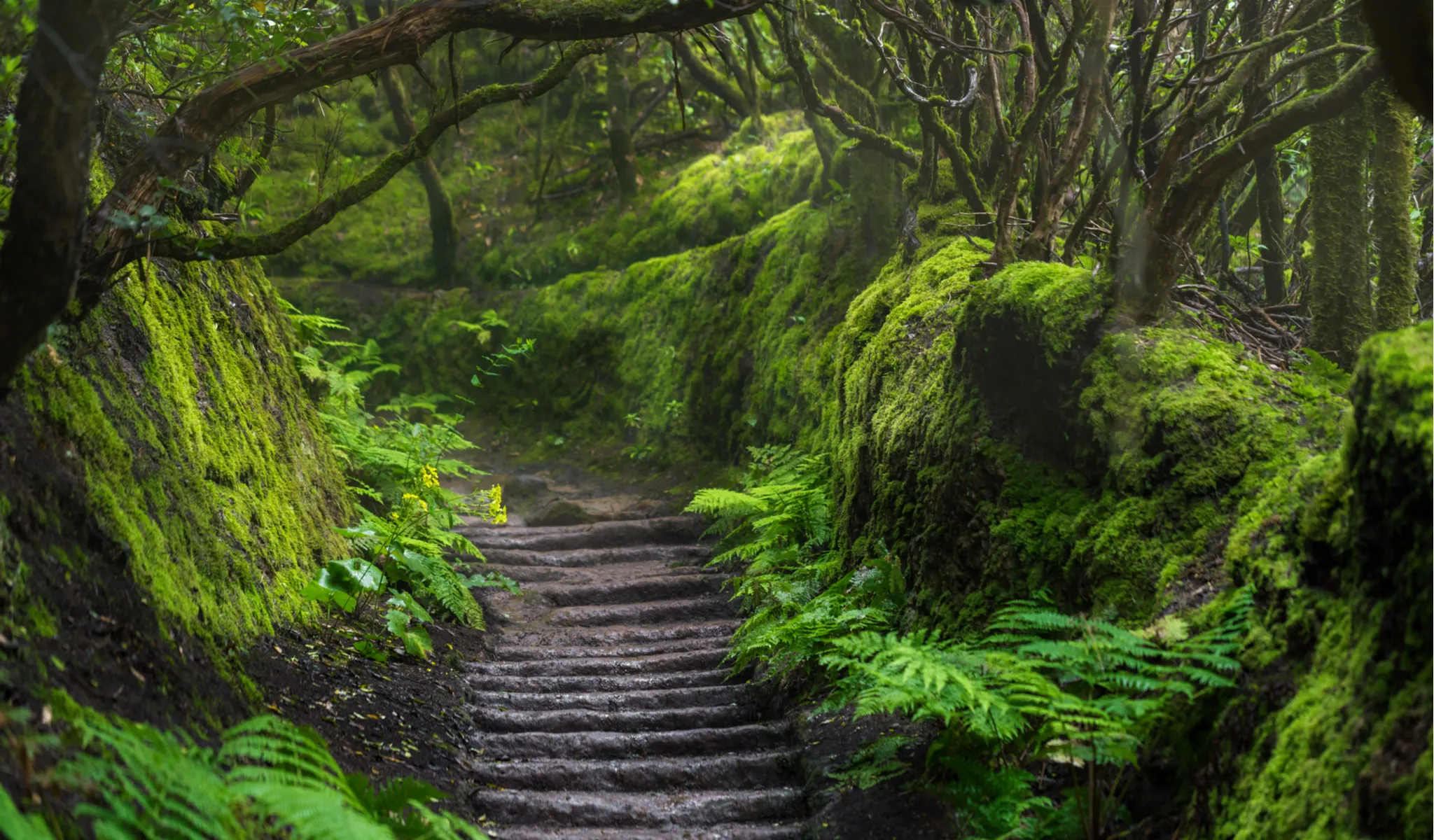
The Canary Islands are a popular year-round destination, but the high season typically falls during two distinct periods: June to August and December to February. These months attract the largest number of visitors, drawn by sunny weather, vibrant festivities, and a wealth of activities. Whether you’re seeking summer adventures or a warm winter escape, the high season showcases the islands at their liveliest.
From June to August: summer vibrance
The summer months of June to August are synonymous with warm sunshine, long days, and bustling activity across the Canary Islands. Temperatures during this time range from 25 to 30°C, making it ideal for beach lovers and water sports enthusiasts. The golden sands of beaches like Maspalomas in Gran Canaria or Playa del Papagayo in Lanzarote become a playground for travellers seeking sun-soaked relaxation or thrilling activities like surfing, windsurfing, and jet skiing.
In addition to the coastal allure, summer is a time of festivals and cultural events on the islands. For instance, Tenerife hosts its famous Romerías, traditional processions that celebrate local culture with music, dance, and regional cuisine. Meanwhile, Lanzarote’s volcanic landscapes attract adventurers who brave the heat for unforgettable hikes.
It’s worth noting, however, that this is one of the busiest times of the year. Popular attractions and beaches can get crowded, and accommodation prices tend to rise. Early booking is recommended for those planning to visit during this period to secure the best deals and availability.
From December to February: winter warmth
December to February, often referred to as the "Winter Warmth" season, is another peak time for the Canary Islands. As much of Europe endures cold and grey weather, the archipelago offers a sunny escape with temperatures averaging between 19 and 23°C. These months are especially popular among travellers looking to swap snow for sand and enjoy a mild, pleasant climate.
Winter in the Canary Islands also coincides with some of the year’s most iconic events. Tenerife’s Carnival, held in February, is one of the largest and most extravagant in the world, drawing visitors from across the globe. Meanwhile, the festive atmosphere during Christmas and New Year’s Eve adds a special charm to the islands, with towns and cities illuminated by lights and vibrant celebrations.
For nature enthusiasts, this period is ideal for exploring the islands’ dramatic landscapes without the intense heat of summer. Hikers can enjoy cooler temperatures while traversing trails like those in Garajonay National Park in La Gomera or the volcanic peaks of Timanfaya National Park in Lanzarote. However, like the summer months, winter sees an influx of visitors, so it’s advisable to plan and book ahead.
Stay with HD Hotels During Your Canary Islands Adventure

At HD Hotels, we’re dedicated to making your stay in the Canary Islands unforgettable. Whether you’re visiting Fuerteventura, Gran Canaria, Lanzarote, or Tenerife, our hotels offer the perfect base for exploring these stunning islands.
Relax in comfort with our modern amenities, enjoy exquisite dining options, and immerse yourself in the natural beauty of the Canary Islands, all while experiencing the exceptional service that HD Hotels is known for.
From family-friendly resorts to tranquil escapes for couples, we provide tailored experiences to suit your needs. No matter when you choose to visit, let HD Hotels be part of your Canary Islands journey. Book your stay today and create lasting memories in this island paradise!
